
Supporting your child’s learning at home can feel overwhelming — especially when you’re juggling work, household responsibilities, and the emotional needs of your family. Many moms worry they aren’t doing “enough” or that they’re somehow failing their children academically. The truth is, you don’t need to be a teacher or run a strict homeschool routine to make a powerful difference in your child’s education.
Learning at home is not about perfection. It’s about connection, consistency, encouragement, and creating an environment where curiosity and confidence can grow.
In this gentle, mom-friendly guide, you’ll learn simple, realistic ways to support your child’s learning at home — without pressure, burnout, or daily battles.
Why Home Support Matters More Than Perfect Grades
Your involvement in your child’s learning has a greater long-term impact than any report card. Studies and real-life experience show that children who feel supported, encouraged, and emotionally safe tend to perform better academically and develop stronger self-esteem.
When learning is associated with love, curiosity, and encouragement — rather than fear and pressure — children are more likely to:
- Develop intrinsic motivation
- Build confidence in their abilities
- Take healthy academic risks
- Persevere when learning feels hard
Your role isn’t to replace the teacher. Your role is to be your child’s biggest cheerleader and emotional anchor.
Understanding Your Child’s Unique Learning Style
Every child learns differently. Some children thrive with visuals. Others need hands-on experiences or verbal explanations. Paying attention to how your child naturally engages with information can make learning smoother and more enjoyable.
Common learning styles include:
- Visual learners: Prefer pictures, charts, and videos
- Auditory learners: Learn best through listening and discussion
- Kinesthetic learners: Learn through movement and hands-on activities
- Reading/writing learners: Prefer books, notes, and written explanations
You don’t need to label your child — just observe what seems to work best and lean into those strengths.
Creating a Calm Learning Environment at Home
Your home doesn’t need a fancy study room to support learning. A calm, predictable environment matters far more than perfect organization.
Simple ways to create a learning-friendly space:
- Choose a quiet, clutter-free corner for homework or reading
- Keep basic supplies nearby (pencils, paper, books)
- Use good lighting
- Minimize background noise
- Add something comforting (a plant, soft pillow, favorite mug)
When children feel physically comfortable and emotionally safe, their brains are far more open to learning.
Building Simple Daily Learning Routines
Routines help children feel secure and reduce daily power struggles.
Gentle routine ideas:
- 15–30 minutes of reading time
- Homework at the same time each afternoon
- Educational games after dinner
- Quiet reflection or journaling
Consistency matters more than duration. Even 20 focused minutes a day can make a big difference.
Learning Through Play (Especially for Younger Kids)
Play is one of the most powerful learning tools available.
Learning through everyday play:
- Building blocks for math and problem-solving
- Pretend play for language and social skills
- Puzzles for logic
- Cooking for measurement and science
- Gardening for biology
Children learn best when they’re engaged, relaxed, and having fun.

🛒100pcs Animal Theme Jigsaw Puzzle, Educational Learning Puzzle Game, Preschool Toy, Birthday & Christmas Gift
🎁60% OFF coupon for every new user!
https://onelink.shein.com/27/5ejymb6aascn
Supporting Homework Without Power Struggles
Homework battles are exhausting for both moms and kids.
Tips to reduce homework stress:
- Set a regular homework time
- Offer help, don’t hover
- Break tasks into small steps
- Praise effort, not just results
- Allow short breaks
Your calm presence matters more than perfect answers.
Encouraging a Love for Reading
Reading builds vocabulary, comprehension, imagination, and emotional intelligence.
Ways to nurture reading:
- Read aloud together
- Let kids choose their own books
- Visit libraries
- Create cozy reading spaces
- Be a reading role model
Even reluctant readers can fall in love with books when reading feels safe and enjoyable.
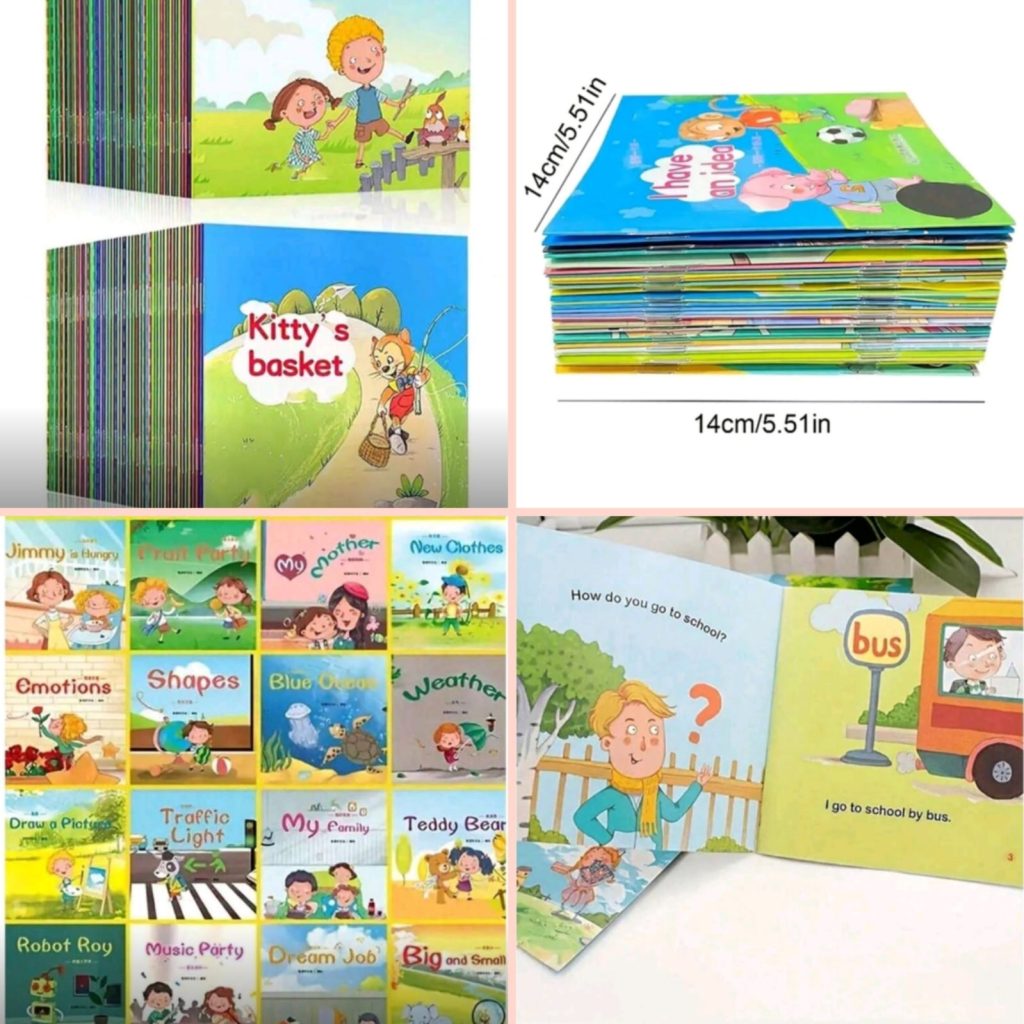
🛒30/60 Preschool English Graded Reading English Picture Books
🎁60% OFF coupon for every new user!
https://onelink.shein.com/27/5ejycg0q07jq
Using Screen Time Wisely for Learning
Technology can support learning when used intentionally.
Healthy screen habits:
- Choose educational apps
- Watch documentaries together
- Limit total screen time
- Discuss what your child watches
Balance is key.
Teaching Life Skills as Learning
Real-life learning counts.
Everyday learning moments:
- Cooking
- Budgeting
- Cleaning
- Time management
- Emotional regulation
These skills matter just as much as academics.
Faith, Values & Character in Education
Education is about shaping hearts as much as minds.
Teach:
- Gratitude
- Honesty
- Perseverance
- Compassion
Short prayers, reflection time, and gratitude practices can gently reinforce values.
When Your Child Is Struggling at School
Struggles don’t mean failure.
Support steps:
- Listen without judgment
- Talk to teachers
- Celebrate small wins
- Offer reassurance
How to Motivate Without Pressure
Pressure kills motivation.
Gentle motivation strategies:
- Praise effort
- Set small goals
- Allow mistakes
- Celebrate progress
Common Mistakes Moms Make (And How to Avoid Them)
- Comparing children
- Expecting perfection
- Doing homework for them
- Using punishment
Busy Mom Tips
- Audiobooks
- Learning during chores
- Educational games

Educational Weather/Time Planner, Interactive Classroom/Home Early Learning Interactive Wall Hanging Gifts
🎁60% OFF coupon for every new user.
https://onelink.shein.com/27/5ejy5ncw1em3
FAQ: Supporting Your Child’s Learning at Home
Q1: How much time should I spend helping my child learn at home?
Even 20–30 minutes a day is enough when done consistently.
Q2: What if my child refuses to do homework?
Stay calm, offer choices, and create predictable routines.
Q3: Do I need expensive educational tools?
No. Libraries, everyday activities, and free online resources are enough.
Q4: How do I help a child who hates reading?
Start with audiobooks, comics, and topics they love.
Q5: Can learning be fun and still effective?
Absolutely. Fun increases retention and motivation.
Final Encouragement for Moms
You are already doing more than you think.
Your love, presence, patience, and encouragement are shaping your child’s future far more than any worksheet ever could.
Learning at home doesn’t need to be perfect. It just needs to be loving, consistent, and supportive.
And that, dear mom, is something you are already doing beautifully.
Style Curve – Where Motherhood Meets Meaning