The Weight You Can’t See
You’re making dinner, helping with homework, replying to a school email, remembering a birthday gift, planning tomorrow’s lunchboxes, noticing the laundry pile—and wondering why you’re so tired even though you “didn’t do much today.”
If this feels familiar, you’re not lazy.
You’re carrying the mental load.
The mental load is the invisible, constant thinking work that keeps a household and family running. And for many moms it’s one of the biggest causes of overwhelm, burnout, and emotional exhaustion.
This article is here to help you name it, understand it, and gently reduce it, without guilt or unrealistic expectations.
What Is the Mental Load?
The mental load is the ongoing responsibility of remembering, planning, anticipating, and managing life.
It includes:
- Knowing when school events are coming up
- Tracking what groceries are running low
- Remembering doctor appointments
- Anticipating emotional needs (kids, partner, family)
- Managing routines, schedules, and “what’s next”
It’s not just doing the tasks—it’s thinking about them all the time.
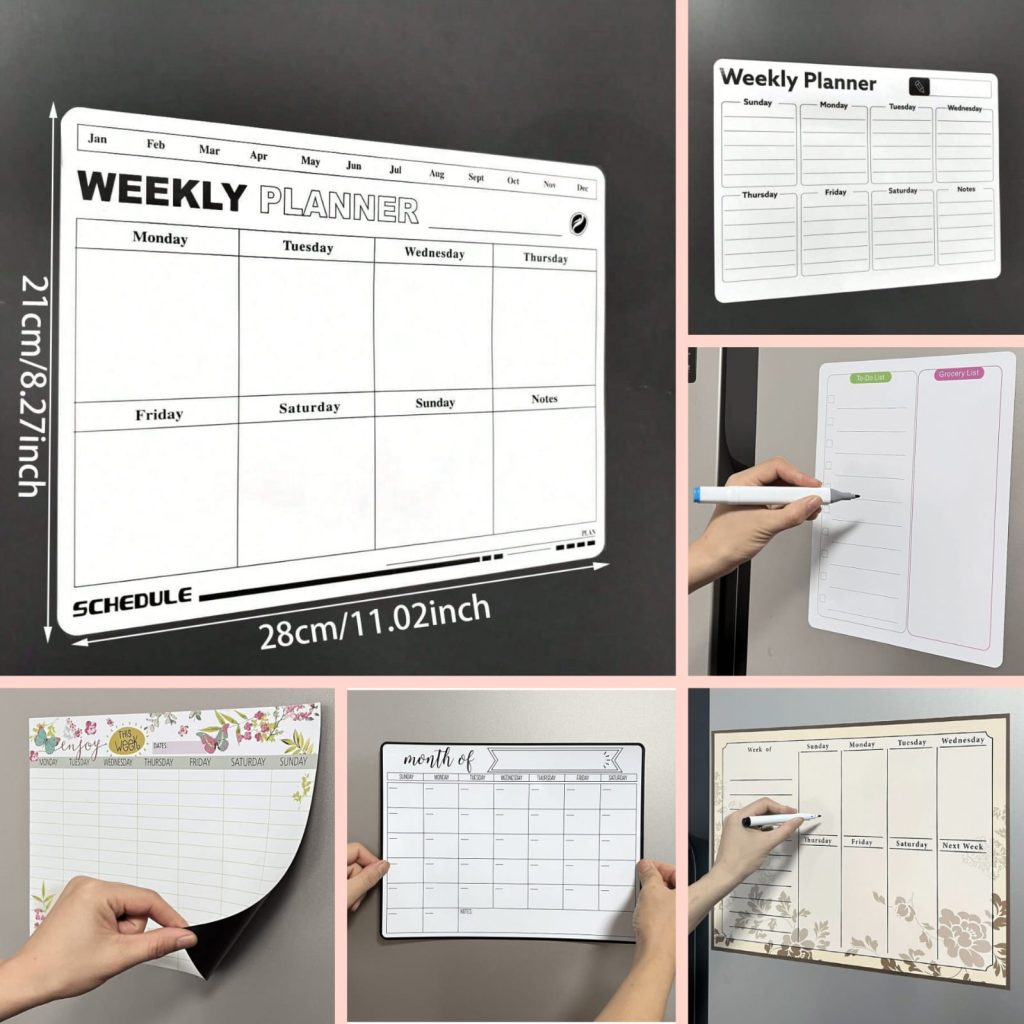
Magnetic Refrigerator Calendar, Erasable Soft Whiteboard Stickers, Weekly And Monthly Planners, Office Supplies, Rubber, Reminder Memo Board Planner
🎁60% OFF coupon for every new user!
https://onelink.shein.com/27/5eujt34nwcv2
Why the Mental Load Falls on Moms
In many families moms are still seen as the “default manager” of the household—even when they work full-time.
Common reasons:
- Cultural expectations of motherhood
- Gender roles passed down unconsciously
- “You’re just better at it” thinking
- Moms noticing details others don’t
Over time, this creates a pattern where:
👉 You plan
👉 You remember
👉 You remind
👉 You manage
And everyone else just “helps.”
Signs You’re Carrying Too Much Mental Load
You might be carrying an invisible overload if you:
- Feel tired even after resting
- Get irritated over small things
- Feel like your brain never switches off
- Resent your partner but feel guilty about it
- Lie awake thinking about tomorrow
- Feel responsible for everyone’s emotions
This isn’t a personal failure—it’s a system problem, not a you problem.
Mental Load vs. Burnout (They’re Connected)
Mental load is often the root cause of mom burnout.
Burnout happens when:
- The thinking never stops
- Responsibility never rests
- Support feels uneven
- You don’t feel seen
That’s why reducing mental load is one of the most effective ways to protect your mental health as a mom.
The Emotional Side of Mental Load
Mental load isn’t just practical—it’s emotional.
It includes:
- Worrying about your kids’ wellbeing
- Managing family relationships
- Holding everyone together emotionally
- Feeling responsible for harmony
This emotional labor is exhausting, and it’s rarely acknowledged.
How Mental Load Affects Mental Health
Unchecked mental load can lead to:
- Anxiety
- Chronic stress
- Irritability
- Guilt
- Emotional numbness
- Loss of identity
Many moms search for “why am I so overwhelmed” without realizing the answer is often mental load.
Gentle Ways to Lighten the Mental Load
1️⃣ Make the Invisible Visible
Start by naming the mental load.
Try writing everything you mentally track in one day:
- Meals
- Appointments
- School needs
- Household tasks
Seeing it on paper is powerful—and validating.
🛒Meal Planner Pad | 5.6×8.5 Inch 90 Pages Weekly Meal Planner Notepad For Organized Weekly & Daily Planning
🎁60% OFF coupon for every new user!
https://onelink.shein.com/27/5euleou5a0xd

2️⃣ Stop Being the “Reminder System”
If you always remind, you’re still managing.
Instead:
- Let others own tasks fully
- Accept different ways of doing things
- Allow natural consequences (within reason)
Shared responsibility means shared thinking.
3️⃣ Simplify Decisions
Decision fatigue fuels mental overload.
Reduce daily decisions by:
- Repeating weekly meals
- Creating simple routines
- Using checklists
- Limiting options
Simple doesn’t mean boring—it means sustainable.
4️⃣ Use External Brain Tools
You don’t need to remember everything.
Helpful tools:
- Shared calendars
- Family planners
- To-do apps
- Whiteboards
Your brain deserves rest.
5️⃣ Set Mental Boundaries
You’re allowed to stop carrying everything.
That might mean:
- Saying no more often
- Letting things be “good enough”
- Dropping non-essential expectations
Peace is more important than perfection.
Mental Load in Marriage & Partnerships
One of the hardest parts of mental load is feeling alone in it.
Helpful conversations focus on:
- Ownership, not help
- Responsibility, not reminders
- Teamwork, not blame
Example shift:
❌ “Can you help with dinner?”
✅ “Can you take full responsibility for dinner this week?”
Mental Load for Working Moms vs Stay-at-Home Moms
Mental load affects all moms, regardless of work status.
- Working moms juggle professional and home planning
- Stay-at-home moms carry constant, uninterrupted responsibility
Different situations—same invisible pressure.
Faith & Values Perspective (Optional Tie-In)
If faith matters to you, remember:
- You were never meant to carry everything alone
- Rest is not laziness—it’s wisdom
- Your worth is not measured by productivity
Letting go is sometimes an act of trust.
What a Lighter Mental Load Looks Like
A lighter mental load doesn’t mean:
- Everything is perfect
- You do nothing
It means:
- Your mind has breathing space
- Responsibility is shared
- You feel calmer, not constantly “on”
That’s real wellness.
FAQ: Mental Load & Moms
What is the mental load in motherhood?
The mental load is the invisible planning, remembering, and emotional management moms often carry to keep families running.
Why does mental load cause burnout?
Because it never switches off. Constant thinking without rest leads to emotional and physical exhaustion.
How can moms reduce mental load realistically?
By sharing responsibility, simplifying routines, using external tools, and letting go of perfection.
Is mental load the same as emotional labor?
They overlap. Mental load focuses on planning and responsibility; emotional labor focuses on managing feelings—both often fall on moms.
Can mental load affect mental health?
Yes. It can contribute to anxiety, stress, irritability, and burnout if left unaddressed.
Final Thoughts: You’re Not Failing—You’re Carrying Too Much
If you feel overwhelmed, it doesn’t mean you’re weak.
It means you’re doing the work of many roles at once.
Lightening the mental load isn’t about doing more—it’s about doing less alone.
You deserve support, rest, and a mind that can finally exhale.