
Simple Breakfast, Lunch, and Dinner Ideas for Parents and Kids
Maintaining healthy eating habits is one of the biggest challenges for many families today. They have to balance work, school, activities, and everyday parenting responsibilities. Busy schedules often lead to quick convenience foods that not always offer the best nutrition for growing bodies.
The good news is that healthy meals do not need to be complicated, expensive, or time-consuming. Families can enjoy nutritious meals with a little planning. These meals consist of a few wholesome ingredients. They support growth, energy, and overall well-being.
Healthy food fuels children’s brains for learning. It strengthens their immune systems. It helps them develop lifelong habits that help them well into adulthood. By making thoughtful food choices at home, parents can help their children build a positive relationship with food. This approach teaches children how to care for their bodies.
In this guide, we will explore simple meal ideas for breakfast, lunch, and dinner. We will also offer helpful tips for encouraging healthy eating habits. Additionally, we will discuss the importance of proper hydration for both children and adults.
Why Healthy Meals Matter for Children
Children are constantly growing, learning, and developing. Their bodies need a balanced combination of nutrients including proteins, healthy fats, carbohydrates, vitamins, and minerals. When children eat balanced meals, they have more stable energy levels. They also show improved concentration at school. Furthermore, they maintain better emotional balance throughout the day.
Nutrition plays a significant role in a child’s physical development as well as their mental performance. A well-balanced diet supports brain function, strengthens bones and muscles, and helps keep a healthy immune system. Children who eat nutritious meals can focus better during lessons. They join more actively in activities. They also sustain steady energy levels.
On the other hand, poor nutrition can lead to fatigue, difficulty concentrating, weakened immunity, and unhealthy weight gain. Highly processed foods are high in sugar and unhealthy fats. They supply quick energy. Yet, they often cause energy crashes later in the day.
Teaching children healthy eating habits early in life can shape their relationship with food for many years to come. The goal is not perfection, but rather balance and consistency. Small daily choices can make a big difference over time.
Healthy Breakfast Ideas for Busy Mornings
Breakfast is often referred to as the most important meal of the day. It provides the fuel children need to start their day. After a full night of sleep, the body needs nourishment to kick-start metabolism and support brain function.
A nutritious breakfast can improve memory, concentration, and mood. Children who eat a balanced breakfast are more likely to perform well in school and stay focused during morning lessons.
Unfortunately, many families skip breakfast or rely on sugary cereals and processed foods that do not offer long-lasting energy. Choosing breakfast options that include protein, fiber, and healthy carbohydrates can help children stay full and energized until lunchtime.
Easy Healthy Breakfast Ideas
Oatmeal topped with fresh fruit, nuts, or a drizzle of honey is a warm and satisfying breakfast. It provides fiber and energy.
Whole-grain toast with avocado and scrambled eggs offers healthy fats and protein that help keep children full longer.
Greek yogurt with berries and granola is another quick and nutritious choice that provides protein and natural sweetness.
Smoothies with milk, banana, spinach, and peanut butter are perfect for busy mornings. You can prepare them in just a few minutes.
Whole-grain pancakes served with fresh fruit can turn breakfast into a healthy treat.
Boiled eggs with whole-grain toast make a simple and protein-rich meal.
A peanut butter and banana sandwich is another quick breakfast option that children often enjoy.
Even a simple breakfast can offer important nutrients that help children stay focused and energized throughout the morning.
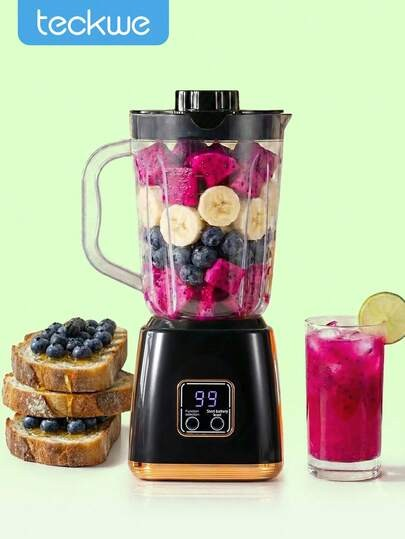
🎉Don’t miss this hot deal on SHEIN! Save big on this!
💰Price[R329]
🛒Teckwe Home Fruit Juicer, Mini Crusher Ice Machine With LED Display Blender. It includes a USB Rechargeable Portable Blender For Smoothies And Milkshakes. Fresh Juice Maker, Small Juice Blender, Provides Instant Nutrition. Easy To Clean, High Juice Yield
🎁60% OFF coupon for every new user!
https://onelink.shein.com/32/5j74q8xzuou9
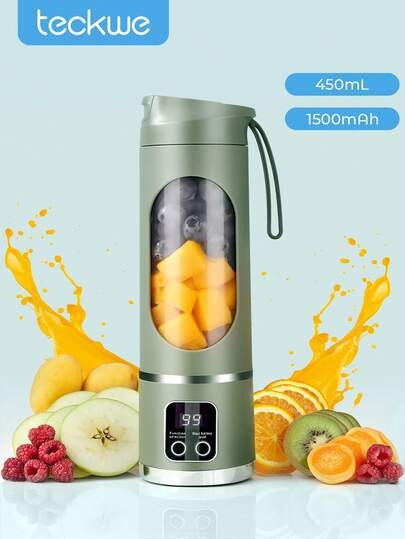
🎉Don’t miss this hot deal on SHEIN! Save big on this!
💰Price[R212]
🛒Teckwe Portable Blender Personal Electric USB, 450 ML Juicer Shakes And Smoothies Blender, Small Blenders, Mixing, Compact, Convenient And Versatile
🎁60% OFF coupon for every new user!
https://onelink.shein.com/32/5j74fo5143k2
Healthy Lunch Ideas for School and Home
Lunch provides an important opportunity for children to recharge their energy during the middle of the day. A balanced lunch should ideally include protein, whole grains, fruits or vegetables, and healthy fats.
For parents packing school lunches, variety is key. Children are more likely to eat their meals when the food looks colorful, interesting, and easy to eat.
Healthy Lunchbox Ideas
Whole-grain wraps filled with chicken or tuna, lettuce, and tomato offer a balanced combination of protein and fiber.
Cheese with whole-grain crackers and sliced fruit makes a simple but satisfying lunch.
Hummus served with carrot sticks, cucumber slices, and pita bread adds both flavor and nutrition.
Pasta salad with vegetables and grilled chicken can be a delicious and filling lunch option for older children.
A turkey and cheese sandwich on whole-grain bread is another classic lunch. It provides protein and energy for the rest of the day.
Boiled eggs with avocado slices are simple, nutritious, and easy to prepare ahead of time.
Rice bowls with vegetables and grilled meat can also be packed for school lunches or enjoyed at home.
Adding fruit like apples, grapes, berries, oranges, or bananas helps make lunch both nutritious and enjoyable for children. These natural foods provide vitamins and minerals that support healthy growth.
Parents can include small healthy snacks like yogurt, nuts (for older children), or vegetable sticks. These snacks help children stay energized during busy school days.
Healthy Dinner Ideas for the Whole Family
Dinner is often the one time during the day when the entire family can sit down together. Family meals are not only important for nutrition but also for emotional connection and communication.
Studies have shown that children who regularly eat dinner with their families have healthier diets. They experience better emotional well-being. They also have stronger relationships with their parents.
Healthy dinners do not need to be complicated. In fact, simple home-cooked meals are often the most nutritious.
A balanced dinner typically includes:
• Protein
• Vegetables
• Whole grains or healthy carbohydrates
• Healthy fats
Cooking meals at home also allows parents to control ingredients and reduce excessive sugar, salt, and unhealthy fats.
Simple Healthy Dinner Ideas
Grilled chicken served with roasted vegetables and brown rice is a balanced and satisfying meal.
Baked fish with sweet potato and steamed broccoli provides healthy omega-3 fats that support brain development.
A vegetable stir-fry with tofu or chicken and noodles can be prepared quickly and customized with different vegetables.
Lean beef or turkey tacos with lettuce, tomato, avocado, and whole-grain tortillas can make dinner both fun and nutritious.
Vegetable soup served with whole-grain bread is comforting and packed with nutrients.
Homemade pasta with tomato sauce and vegetables is another family favorite that can be easily adapted to different tastes.
Quinoa bowls with grilled chicken and fresh vegetables are also a nutritious option for older children and teenagers.
Allowing children to help prepare dinner can also encourage them to become more interested in healthy foods. When kids join in cooking, they often feel proud of the meal they helped create.
The Importance of Drinking Enough Water
While healthy meals are essential, hydration is just as important for maintaining good health. Water plays a critical role in digestion, circulation, body temperature regulation, and brain function.
Children who do not drink enough water can experience headaches, fatigue, irritability, and difficulty concentrating in school. Dehydration can also affect mood and energy levels.
Unfortunately, many children replace water with sugary drinks like soda, energy drinks, or sweetened juices. These beverages often contain large amounts of sugar and calories that can contribute to weight gain and tooth decay.
Encouraging children to drink water regularly throughout the day is one of the simplest ways parents can support their health.
How Much Water Do Children Need?
Water needs vary depending on age, activity level, and climate. Nevertheless, general guidelines include:
Children ages 4–8 years typically need about 5 cups (approximately 1.2 liters) of water per day.
Children ages 9–13 years usually need around 7 to 8 cups (1.6–1.9 liters) daily.
Teenagers need between 8 and 10 cups (2–2.4 liters) of water per day.
Children who participate in sports or outdoor activities need even more water, especially in warm weather.
Tips to Encourage Kids to Drink More Water
Many children simply forget to drink water during the day. Parents can help encourage good hydration habits with a few simple strategies.
Give each child their own reusable water bottle that they can take to school or activities.
Add natural flavor by including slices of lemon, orange, cucumber, or berries in water.
Keep water easily accessible at home so children can grab it whenever they feel thirsty.
Encourage children to drink water before and after sports or outdoor play.
Limit sugary drinks and soda to occasional treats rather than everyday beverages.
Making water a normal and enjoyable part of daily life helps children develop healthy hydration habits.

🎉Don’t miss this hot deal on SHEIN! Save big on this!
💰Price[R50] -43%
🛒Personalized Insulated Water Bottle. It’s a customizable name stainless steel insulated water bottle. Use it as a sports water jug. It’s suitable for school, travel, office, or gym. It boasts a simple style. The bottle is multi-functional and ornamental. Plus, it’s reusable and exquisite. It’s high-quality and adorable. The design is modern and custom. It’s perfect for office decor.
🎁60% OFF coupon for every new user!
https://onelink.shein.com/32/5j74uymnk3ya

🎉Don’t miss this hot deal on SHEIN! Save big on this!
💰Price R144.
🛒This includes 1pc Air Flavored Water Bottle with a Random 1 Flavor Pod. It features a Sports Fashion Straw and is made of Tritan Plastic, suitable for Outdoor Sports Fitness.
🎁60% OFF coupon for every new user!
https://onelink.shein.com/32/5j74zw7fi0x8
Creating Healthy Eating Habits at Home
Healthy eating habits are learned in the home environment. Children watch their parents closely and often adopt the same behaviors they see.
When parents regularly eat balanced meals, drink water, and enjoy healthy foods, children are more likely to follow their example.
Creating a positive food environment does not mean eliminating treats or enforcing strict rules. Instead, it focuses on balance, variety, and moderation.
Simple Ways to Encourage Healthy Eating
Serve a variety of fruits and vegetables every day so children become familiar with different tastes.
Eat meals together as a family whenever possible. Shared meals strengthen family relationships and encourage conversation.
Allow children to help with grocery shopping, meal planning, and cooking.
Keep healthy snacks available, such as fruit, yogurt, nuts, or vegetable sticks.
Limit highly processed foods and sugary snacks without completely banning them.
These small habits can gradually help children develop a healthy relationship with food.
A Faith Perspective on Caring for Our Bodies
For many families, healthy living is also connected to faith and stewardship. Our bodies are gifts, and caring for them is part of honoring that gift.
The Bible reminds us of the importance of respecting and caring for our bodies.
“Do you not know that your bodies are temples of the Holy Spirit… Therefore honor God with your bodies.”
— 1 Corinthians 6:19–20
Teaching children to care for their bodies involves healthy eating, proper hydration, and regular activity. These practices help them understand the value of taking care of themselves both physically and spiritually.
Healthy habits are not only about appearance. They are about living a full and active life. This lifestyle allows us to serve our families and communities well.
Final Thoughts
Healthy eating does not require perfection. It simply requires intention and small daily choices.
Parents can support their children’s physical and emotional development in meaningful ways. They can do this by providing balanced meals. Encouraging children to drink enough water also helps. Additionally, creating a positive food environment at home plays a crucial role.
Simple breakfasts, nutritious lunches, and family dinners together can create routines that nourish both the body and the heart.
Over time, these habits build a strong foundation. This foundation helps children grow into healthy, confident adults. They understand the importance of caring for their bodies. They also make wise choices.

🎉Don’t miss this hot deal on SHEIN! Save big on this!
💰Price[R20] -5%
🛒1PC 650ML Gradient Sports Water Bottle Outdoor Sports Fitness Water Cup Large Capacity Spray Bottle Beverage Travel Bottle
🎁60% OFF coupon for every new user!
https://onelink.shein.com/32/5j752iwwwnqz