
Causes, Signs, and How Parents Can Help Their Children Heal
I am not a doctor or a therapist. I am just a concern mother and grandma. My children are in a good spot now. They are married and got beautiful kids. Their kids are not yet teenagers but already have to deal with bullies. They still have to go through the teenage years and I hope and pray they will grow up to be happy, well behaved young people.
So what I write hear is from different resources. Please seek professional help sooner than later.
The teenage years are often described as exciting, energetic, and full of possibility. But for many families, this season can also feel confusing, emotional, and unexpectedly heavy.
One day your child is laughing at the dinner table. The next, they’re withdrawn, irritable, or locked in their room. You may wonder if it’s “just hormones”… or something more serious.
As parents, it’s hard to know the difference between normal teenage moodiness and real depression. And when we suspect something deeper, it can feel scary, overwhelming, and lonely.
If you’re here reading this, take a breath. You’re already doing something important. You’re paying attention. You care. And that matters more than you know.
This guide will gently walk you through what teen depression really is, what causes it, how to recognize the signs, and the practical ways you can support your child with love, wisdom, and hope.
What Is Teen Depression?
Depression is more than feeling sad or having a bad day. It’s a mental health condition that affects how a person thinks, feels, and functions daily. For teens, it can impact school, friendships, sleep, appetite, and even their sense of self-worth.
And unlike adults, teenagers don’t always show depression through tears. Often it appears as anger, withdrawal, or silence.
That’s why it’s so easy to miss.
Common Causes of Teen Depression
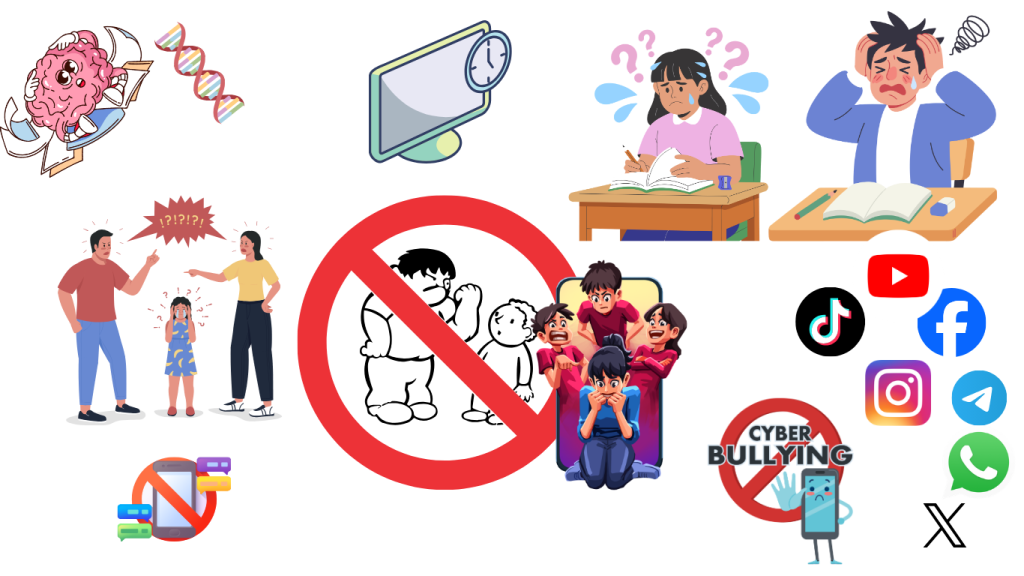
Depression rarely has one single cause. It’s usually a combination of emotional, environmental, and biological factors. Understanding these can help you respond with empathy instead of frustration.
1. Hormonal and Brain Changes
The teenage brain is still developing. Hormones are fluctuating rapidly, which can intensify emotions and make stress harder to manage.
2. Academic Pressure
Tests, grades, expectations, and future plans can feel overwhelming. Some teens feel constant pressure to succeed and fear disappointing their parents.
3. Social Media and Comparison
Teens today live in a world of constant comparison. Perfect photos, filtered lives, and online popularity can quietly damage self-esteem.
Scrolling often leads to thoughts like “Everyone else is happier than me.”
4. Bullying or Social Isolation
Bullying — whether in person or online — deeply affects emotional health. Feeling left out or rejected can make teens withdraw even more.
5. Family Stress or Trauma
Divorce, financial stress, grief, or conflict at home can make a teen feel unsafe or powerless. Even when parents try to shield children, they often sense more than we realize.
6. Genetics
If depression runs in the family, a teen may be more vulnerable biologically.
Signs Your Teen Might Be Struggling
Here’s where many parents feel unsure. Teens naturally want privacy. But consistent changes in behavior are worth paying attention to.
- Persistent sadness or emptiness
- Irritability or anger
- Loss of interest in hobbies
- Sleeping too much or too little
- Changes in appetite
- Declining grades
- Withdrawal from friends or family
- Low self-esteem or negative self-talk
- Lack of energy
- Talking about hopelessness or worthlessness
If several of these signs last longer than two weeks, it may be time to seek professional support.
How Parents Can Help at Home
You don’t need perfect words or fancy solutions. Your presence matters most. Small, consistent love makes a bigger difference than dramatic gestures.
Listen Without Fixing
Sometimes teens just need to talk. Resist the urge to immediately give advice. Instead say, “I’m here. Tell me more.”
Create Safe Connection Time
Walks, coffee dates, late-night chats, or car rides often open hearts more than serious sit-down conversations.
Encourage Healthy Habits
Sleep, sunlight, exercise, and balanced meals genuinely improve mood. These basics are often overlooked but powerful.
Limit Screen Time Gently
Encourage offline hobbies and real-life connection. Too much social media can intensify sadness.
Normalize Feelings
Say things like, “It’s okay to not feel okay sometimes.” Let them know emotions are not weaknesses.
Professional Treatment Options
Depression is not something families have to handle alone. Seeking help is not failure — it’s strength.
- Talk therapy or counseling
- Cognitive Behavioral Therapy (CBT)
- Family therapy
- Support groups
- Medication when prescribed by a doctor
If your teen talks about self-harm or suicide, seek immediate professional help or emergency care. Don’t wait.
The Role of Faith and Hope
For many families, faith becomes an anchor during hard seasons. While prayer doesn’t replace therapy, it can bring comfort, strength, and reassurance that we are never alone.
Invite gentle spiritual practices into your home — prayer together, reading scripture, or simply reminding your teen that their life has purpose and value.
“The Lord is close to the brokenhearted and saves those who are crushed in spirit.” – Psalm 34:18
Final Thoughts for Moms
If your teen is struggling, please remember: this is not your fault. Parenting doesn’t come with a perfect manual. What your child needs most isn’t perfection — it’s love, patience, and presence.
Show up. Keep listening. Keep praying. Keep loving.
Healing takes time, but hope is always possible.
Parent Resource Guide: Supporting a Teen Through Depression
Parenting a teenager can already feel emotional and complex. When depression enters the picture, it can feel even heavier — confusing, scary, and lonely at times.
If you’re reading this, please know something important first: you are not failing as a parent. Depression is not caused by “bad parenting,” and you don’t have to handle it alone. With support, understanding, and patience, healing is absolutely possible.
This gentle resource guide is here to help you recognize warning signs, take practical steps at home, and know when to seek help. Think of it as a calm companion — something to refer back to whenever you need clarity or reassurance.
Quick Signs Checklist: When to Pay Attention
If you notice several of these signs lasting longer than two weeks, it may be time to reach out for professional support.
- Frequent sadness or crying
- Anger or irritability
- Sleeping too much or too little
- Loss of interest in hobbies or friends
- Sudden drop in grades
- Low energy or constant fatigue
- Changes in appetite or weight
- Negative self-talk (“I’m useless,” “Nothing matters”)
- Withdrawing from family
- Talking about hopelessness or worthlessness
Trust your instincts. If something feels off, it’s okay to investigate further.
Daily Support Plan for Home
Small, consistent actions matter more than big dramatic gestures. Focus on creating a home that feels safe, predictable, and loving.
- Offer regular meals together
- Encourage gentle movement (walks, fresh air, sports)
- Protect healthy sleep routines
- Limit late-night screen use
- Create low-pressure connection time
- Celebrate small wins
- Reduce overscheduling
- Keep communication open and judgment-free
These simple rhythms quietly support emotional healing.
How to Talk to Your Teen (Helpful Phrases)
Sometimes we worry about saying the wrong thing. But honesty and gentleness go a long way. Try these simple phrases:
- “I’ve noticed you seem tired lately. How are you feeling?”
- “I’m here to listen — not to lecture.”
- “You don’t have to go through this alone.”
- “It’s okay to feel what you feel.”
- “We’ll figure this out together.”
- “I love you no matter what.”
Often, listening quietly is more powerful than fixing everything.
When to Seek Professional Help
Please reach out to a healthcare professional if you notice:
- Symptoms lasting longer than two weeks
- Daily life or school being affected
- Talk of self-harm or hopelessness
- Isolation from everyone
- Sudden behavior changes that worry you
Support options include:
- Family doctor or pediatrician
- Licensed therapist or counselor
- School counselor
- Child psychologist or psychiatrist
- Local support groups
Seeking help is not weakness. It is love in action.
Emergency Support
If your teen talks about self-harm or suicide, seek immediate help.
United States: Call or text 988 (Suicide & Crisis Lifeline)
Local emergency services: Call your nearest emergency number
Do not leave them alone during a crisis
Simple Weekly Check-In Template
You can print this and use it once a week:
- How has your mood been this week?
- What felt hard?
- What felt good?
- Is there anything you need help with?
- One small goal for next week
Keep it relaxed — maybe during a walk or snack time.
Faith & Encouragement
For many families, faith provides comfort during hard seasons. Prayer, quiet reflection, and reminding your teen of their worth can bring hope when everything feels heavy.
“The Lord is close to the brokenhearted and saves those who are crushed in spirit.” – Psalm 34:18
You don’t need perfect answers. Just keep showing up with love. That steady presence is one of the greatest gifts you can give your child.
Final Encouragement for Parents
This season may feel heavy, but it will not last forever. With patience, support, and the right help, teens can and do recover. Keep loving. Keep listening. Keep hoping.
You are doing better than you think.