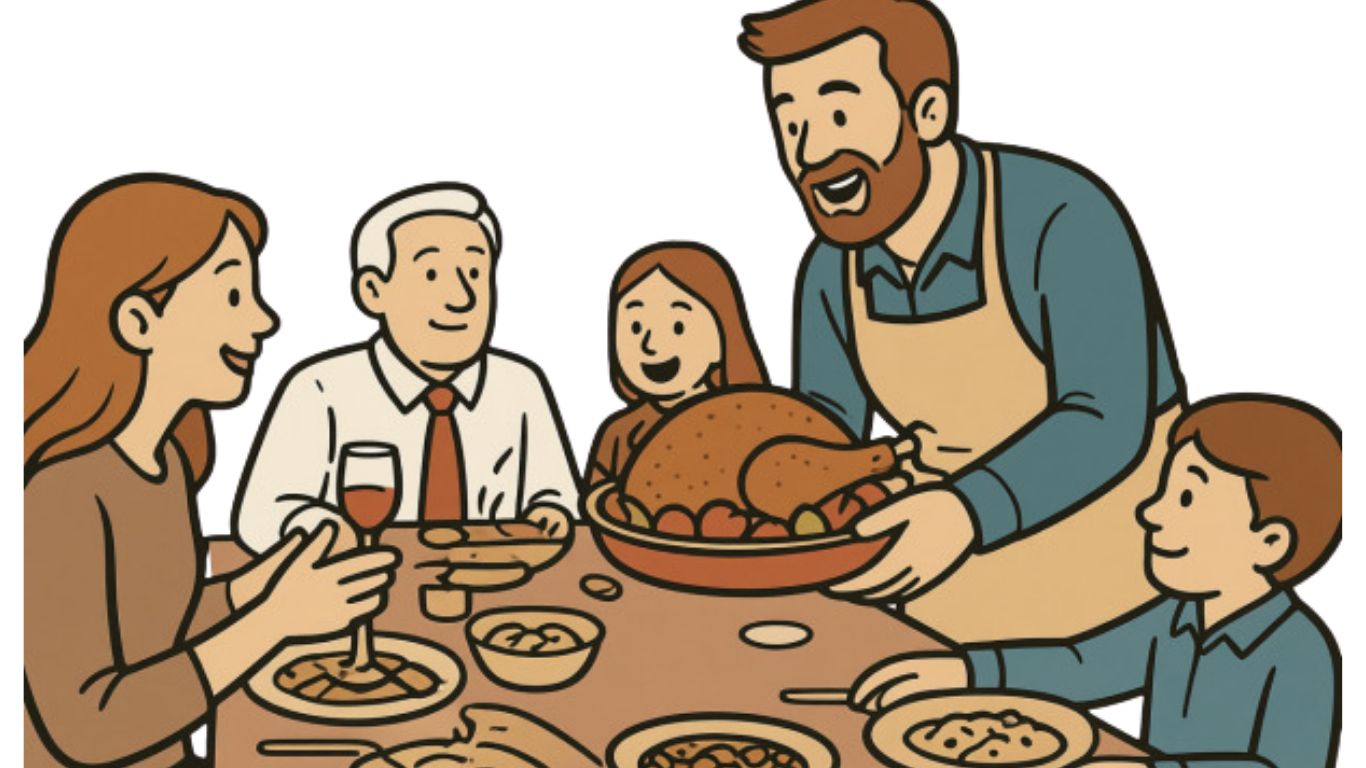
When the weather turns cold, there is something special about a warm bowl of soup or a hearty home-cooked meal. The aroma filling the kitchen, the family gathered around the table, and the comfort of a nourishing meal can turn an ordinary winter evening into a cherished memory.
In today’s fast-paced world, convenience foods and takeaways often seem like the easiest option. However, making time for home-cooked meals offers benefits that go far beyond simply satisfying hunger. From improved nutrition to stronger family connections, cooking and eating together remains one of the best investments we can make in our health and happiness.
Why We Crave Comfort Foods in Cold Weather
As temperatures drop, our bodies naturally seek warmth and energy. Warm meals help regulate body temperature and provide a sense of comfort and satisfaction. Many traditional winter dishes are rich in nutrients and designed to keep us feeling full for longer.
Comfort foods often carry emotional connections too. Grandma’s chicken soup, a family stew recipe, or a favourite casserole can bring back happy memories and feelings of security.
The Best Soups for Cold Winter Days
1. Classic Chicken Soup
Often called “nature’s medicine,” chicken soup is packed with protein, vegetables, and flavour. It is especially comforting when battling winter colds and flu.
Benefits:
- Rich in protein
- Easy to digest
- Hydrating
- Contains immune-supporting nutrients
2. Butternut Soup
A favourite in many South African homes, butternut soup is creamy, naturally sweet, and loaded with vitamins.
Benefits:
- High in Vitamin A
- Rich in antioxidants
- Budget-friendly
- Perfect for freezing
3. Vegetable Soup
A great way to use leftover vegetables while creating a nutritious family meal.
Benefits:
- Packed with vitamins and minerals
- High in fibre
- Low in calories
- Supports healthy digestion
4. Lentil Soup
Lentils provide an excellent source of plant-based protein and are incredibly affordable.
Benefits:
- High in protein
- Rich in iron
- Filling and satisfying
- Budget-friendly
5. Split Pea Soup
This hearty soup has been a winter favourite for generations.
Benefits:
- Excellent source of fibre
- Rich in protein
- Keeps you feeling fuller longer
6. Beef and Vegetable Soup
A complete meal in one bowl that combines protein, vegetables, and comforting flavours.
Benefits:
- Nutrient-dense
- High in iron
- Great for active families
Comfort Meals Perfect for Winter
Slow-Cooked Beef Stew
Tender beef, potatoes, carrots, and herbs create the ultimate winter comfort food. Slow cooking develops rich flavours while creating a meal that fills the entire house with warmth.
Cottage Pie
A hearty combination of savoury mince topped with creamy mashed potatoes. It’s affordable, filling, and loved by both adults and children.
Macaroni and Cheese
A classic comfort food that can be upgraded by adding vegetables such as broccoli, cauliflower, or spinach.
Chicken Pot Pie
A warm pastry crust filled with creamy chicken and vegetables creates a satisfying meal perfect for cold evenings.
Baked Lasagne
Layers of pasta, meat sauce, and cheese make this a family favourite and a great meal for leftovers.
Traditional South African Bobotie
This beloved South African dish combines sweet and savoury flavours while providing a nutritious and filling meal.
The Importance of Cooked Meals
Better Digestion
Cooking helps break down food, making nutrients easier for the body to absorb. Warm cooked meals can also be gentler on the digestive system during winter months.
Improved Nutrition
When you prepare meals at home, you control:
- Ingredients
- Portion sizes
- Salt levels
- Sugar content
- Cooking methods
This allows you to create healthier meals that support your family’s wellbeing.
Cost Savings
Many people assume fast food is cheaper, but cooking at home is often significantly more economical.
A large pot of soup can feed a family for several meals at a fraction of the cost of takeaways.
Reduced Food Waste
Home cooking encourages better meal planning and allows leftovers to be repurposed into new meals.
The Benefits of Eating Around the Family Table
In a world dominated by screens and busy schedules, family mealtimes are more important than ever.
Make time to connect with each other without screens. Switch off the television and put away the cell phones.
Stronger Family Connections
Sharing meals creates opportunities to:
- Talk about the day
- Celebrate achievements
- Solve problems together
- Build stronger relationships
Research consistently shows that regular family meals contribute to stronger emotional bonds.
Better Eating Habits
Children who regularly eat with their families tend to:
- Consume more fruits and vegetables
- Develop healthier eating habits
- Be more willing to try new foods
- Learn portion control
Improved Mental Wellbeing
Family meals provide a sense of belonging and stability. Regular mealtime conversations can help reduce feelings of stress and isolation.
Creating Lifelong Memories
Many of our fondest childhood memories involve food and family gatherings. These traditions often continue for generations.
The Downsides of Too Much Fast Food
While there is nothing wrong with the occasional takeaway, relying heavily on fast food can have negative effects.
High Calories and Poor Nutrition
Many fast-food meals contain:
- Excessive calories
- High levels of saturated fats
- Large amounts of sodium
- Added sugars
These foods often lack the nutrients found in fresh, home-cooked meals.
Increased Health Risks
Regular consumption of fast food has been linked to:
- Weight gain
- High blood pressure
- Type 2 diabetes
- Heart disease
Larger Portion Sizes
Fast-food restaurants often serve portions much larger than necessary, making overeating easier.
Hidden Ingredients
Many convenience foods contain preservatives, artificial flavours, and additives that are difficult to avoid when eating out frequently.
The Problem with Highly Processed Foods
Processed foods are designed for convenience, but excessive consumption can come at a cost.
Higher Sugar Intake
Many processed foods contain surprising amounts of sugar, even products that are not considered sweets.
Excess Sodium
Too much sodium can contribute to high blood pressure and increased cardiovascular risk.
Lower Nutritional Value
Highly processed foods are often stripped of beneficial nutrients during manufacturing.
Less Satiety
Because many processed foods are low in fibre and protein, they may leave you feeling hungry sooner, leading to increased snacking.
Making Home Cooking Easier
If cooking every day feels overwhelming, try these simple strategies:
Batch Cooking
Prepare large quantities of:
- Soups
- Stews
- Lasagne
- Curries
Freeze portions for busy days.
Meal Planning
Spend a few minutes each week planning meals to reduce stress and save money.
Get the Family Involved
Children can:
- Wash vegetables
- Stir ingredients
- Set the table
- Help with simple recipes
Cooking together turns meal preparation into quality family time.
Final Thoughts
Winter is the perfect season to slow down and embrace the comfort of home-cooked meals. Whether it’s a steaming bowl of butternut soup, a hearty beef stew, or a family favourite casserole, these meals nourish both body and soul.
Beyond the nutritional benefits, cooking and eating together creates meaningful moments that strengthen family bonds and build lasting memories. While fast food may offer convenience, nothing quite compares to the warmth, comfort, and connection that comes from gathering around the table for a home-cooked meal.
This winter, consider making mealtime more than just a necessity. Turn it into an opportunity to nourish your family, share stories, and create traditions that will be remembered for years to come.